
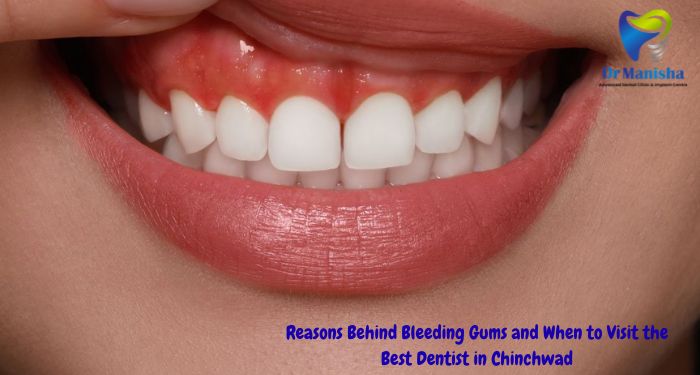
Bleeding gums are a common dental problem that many people ignore until it becomes severe. While occasional bleeding may seem harmless, it can be an early sign of underlying gum disease. Maintaining good oral hygiene and seeking timely treatment from the best dentist in Chinchwad can help prevent serious complications and keep your gums healthy.
What Are Bleeding Gums?
Bleeding gums occur when the gum tissue becomes inflamed or irritated, often leading to bleeding while brushing, flossing, or even eating. It is commonly associated with Gingivitis, the early stage of gum disease, which can progress if left untreated.
Common Causes of Bleeding Gums
Understanding the root causes can help you take preventive measures.
1. Poor Oral Hygiene
Inadequate brushing and flossing lead to plaque buildup on teeth. Over time, this plaque irritates the gums and causes bleeding.
2. Gingivitis and Gum Disease
Gingivitis is the most common cause of bleeding gums. If untreated, it can progress to periodontitis, a more serious condition affecting the bones supporting the teeth.
3. Improper Brushing Technique
Brushing too hard or using a hard-bristled toothbrush can damage the gums and lead to bleeding.
4. Vitamin Deficiency
Lack of essential nutrients like Vitamin C and Vitamin K can weaken gum tissues, making them prone to bleeding.
5. Hormonal Changes
Hormonal fluctuations during pregnancy, menstruation, or menopause can increase gum sensitivity and bleeding.
6. Smoking and Tobacco Use
Smoking weakens the immune system and reduces the ability of gums to heal, increasing the risk of gum disease.
7. Medical Conditions
Certain conditions like diabetes or blood disorders can also cause bleeding gums.
Symptoms Associated with Bleeding Gums
Along with bleeding, you may notice:
-
Swollen or red gums
-
Bad breath
-
Receding gums
-
Pain while chewing
-
Loose teeth (in advanced cases)
If these symptoms persist, it is important to consult the best dentist in Chinchwad for proper diagnosis.
How to Prevent Bleeding Gums
Prevention is key to maintaining good oral health.
-
Brush twice daily with a soft-bristled toothbrush
-
Floss regularly to remove plaque between teeth
-
Use an antibacterial mouthwash
-
Maintain a balanced diet rich in vitamins
-
Avoid smoking and tobacco
-
Visit your dentist regularly for check-ups
Treatment Options for Bleeding Gums
Treatment depends on the underlying cause and severity.
1. Professional Cleaning
Dentists remove plaque and tartar buildup through scaling and polishing.
2. Medications
Antibiotic gels or mouth rinses may be prescribed to control infection.
3. Improved Oral Hygiene Routine
Your dentist may guide you on proper brushing and flossing techniques.
4. Advanced Treatments
In severe cases, procedures like deep cleaning or gum surgery may be required.
Consulting the best dentist in Chinchwad ensures effective and personalized treatment.
When Should You Visit a Dentist?
Do not ignore bleeding gums if:
-
Bleeding occurs frequently
-
Gums are swollen or painful
-
There is persistent bad breath
-
You notice gum recession
-
Bleeding does not stop after improving oral hygiene
Early treatment can prevent serious dental issues.
Importance of Regular Dental Check-Ups
Routine dental visits help detect problems at an early stage. A professional dentist can identify signs of gum disease and provide timely treatment, ensuring long-term oral health.
Regular consultations with the best dentist in Chinchwad help maintain strong teeth and healthy gums.
Home Care Tips for Healthy Gums
-
Rinse with warm salt water to reduce inflammation
-
Use a soft toothbrush and replace it regularly
-
Stay hydrated
-
Eat fresh fruits and vegetables
-
Avoid sugary foods and drinks
These simple steps can improve gum health significantly.
Conclusion
Bleeding gums should never be ignored as they can indicate underlying dental problems. From poor oral hygiene to serious gum disease, several factors can contribute to this condition. Early diagnosis and proper treatment are essential to prevent complications.
If you are experiencing persistent gum bleeding, consult the best dentist in Chinchwad for expert care. Maintaining good oral hygiene and regular dental check-ups can help you achieve a healthy and confident smile.
FAQs
1. Why do my gums bleed while brushing?
This is usually due to plaque buildup or gum inflammation caused by poor oral hygiene.
2. Are bleeding gums a sign of gum disease?
Yes, they are often an early sign of gingivitis or gum disease.
3. Can vitamin deficiency cause bleeding gums?
Yes, lack of Vitamin C and Vitamin K can weaken gums and cause bleeding.
4. How can I stop bleeding gums at home?
Maintain good oral hygiene, use a soft toothbrush, and rinse with salt water.
5. When should I see a dentist?
If bleeding is frequent or persistent, you should consult a dentist immediately.