
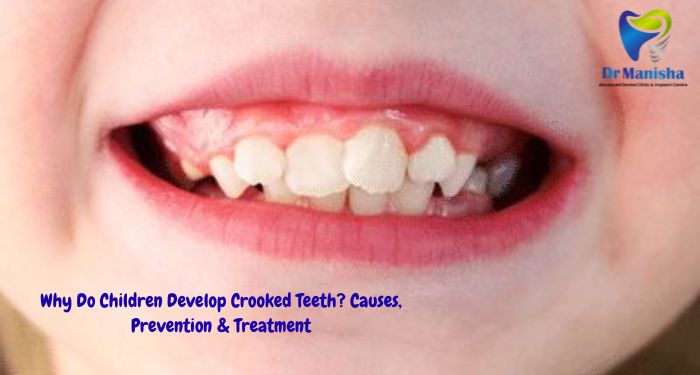
Crooked teeth in children are a common concern for many parents. You may notice that your child’s teeth are not coming in straight, are overlapping, or appear misaligned. While this can affect appearance, it may also impact oral health if not addressed at the right time. Understanding why crooked teeth develop in children can help you take early steps toward prevention and treatment.
Crooked teeth, also known as malocclusion, can occur due to several reasons. Some are natural and unavoidable, while others are related to habits or lifestyle factors during early childhood.
Common Causes of Crooked Teeth in Children
One of the most common reasons is genetics. If parents have a history of misaligned teeth, children may inherit similar dental patterns. Jaw size and tooth size are often passed down genetically, which can lead to crowding or spacing issues.
Another major cause is thumb sucking or prolonged pacifier use. These habits can put pressure on developing teeth and jaw structures, leading to misalignment over time. Children who continue these habits beyond the age of 3–4 years are at higher risk.
Early loss of baby teeth can also lead to crooked permanent teeth. Baby teeth act as placeholders for permanent teeth. If they fall out too early due to decay or injury, nearby teeth may shift into the empty space, causing alignment problems later.
Mouth breathing is another overlooked factor. Children who breathe through their mouth instead of their nose may develop improper jaw growth, which can result in crooked teeth.
Tongue thrusting, where the tongue pushes against the teeth while swallowing or speaking, can also gradually shift teeth out of alignment.
Poor dental care and untreated cavities can contribute as well. Decayed or damaged teeth may affect how surrounding teeth grow and align.
Signs to Watch For
Parents should keep an eye on certain signs that may indicate crooked teeth:
- Teeth that overlap or are crowded
- Gaps between teeth
- Difficulty in biting or chewing
- Jaw pain or clicking sounds
- Speech difficulties in some cases
Early detection can make treatment simpler and more effective.
Why It’s Important to Treat Crooked Teeth
Crooked teeth are not just a cosmetic issue. They can lead to difficulty in cleaning, increasing the risk of cavities and gum disease. Misaligned teeth can also affect chewing and digestion. In some cases, they may impact a child’s confidence and smile.
Treatment Options
Treatment depends on the severity of the problem and the child’s age. In many cases, orthodontic treatment such as braces or aligners may be recommended. Early intervention, also called interceptive orthodontics, can guide jaw growth and prevent more serious issues later.
Dentists may also suggest habit-breaking appliances for children who suck their thumb or use pacifiers for too long. Space maintainers can be used if baby teeth are lost early, helping permanent teeth grow in the correct position.
Prevention Tips for Parents
Encouraging good oral habits from an early age is key. Teach children to brush and floss regularly. Limit thumb sucking and pacifier use after a certain age. Ensure a balanced diet that supports healthy teeth and jaw development.
Regular dental check-ups are essential. A dentist can monitor your child’s dental growth and identify any issues early.
Conclusion
Crooked teeth in children are quite common, but they should not be ignored. Understanding the causes—whether genetic, habitual, or developmental—can help parents take the right steps at the right time. With early care, proper guidance, and timely treatment, children can develop healthy, well-aligned smiles that last a lifetime.
FAQs
1. Why do children get crooked teeth?
Children may develop crooked teeth due to genetics, thumb sucking, early loss of baby teeth, or improper jaw development.
2. At what age should I worry about crooked teeth in my child?
If you notice misalignment after permanent teeth start coming in (around age 6–7), it’s best to consult a dentist early.
3. Can thumb sucking cause crooked teeth?
Yes, prolonged thumb sucking can affect jaw shape and push teeth out of alignment.
4. Can crooked teeth correct themselves?
In some mild cases, teeth may adjust naturally, but most cases require dental evaluation and possible treatment.
5. What is the best treatment for crooked teeth in kids?
Treatment may include braces, aligners, or early orthodontic care depending on the severity.
6. How can I prevent crooked teeth in my child?
Encourage good oral habits, avoid prolonged pacifier use, and ensure regular dental check-ups.