
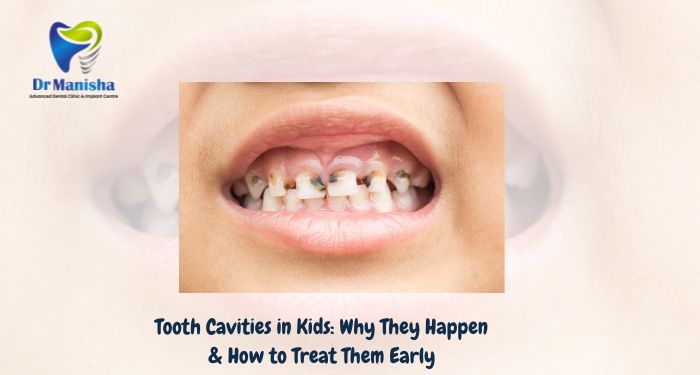
Child tooth cavity is a common dental problem in kids caused by plaque, sugary foods, poor brushing habits, and bacterial activity. Cavities can lead to pain, sensitivity, infections, and difficulty chewing if untreated. Early diagnosis, fluoride treatment, dental fillings, proper brushing, reducing sugar, and routine dental checkups help protect children’s teeth and maintain oral health. Visiting an experienced child dentist in chinchwad ensures early detection and gentle care for kids.
A child’s smile is precious, and keeping it healthy requires consistent care and awareness. Among the most common dental issues seen in children, tooth cavities rank at the top. A cavity, also known as dental caries, is the damage that occurs when bacteria in the mouth produce acids that erode the tooth enamel. While cavities seem like a small issue, they can grow deeper, cause pain, and affect a child’s overall well-being if not treated on time.
Children today are more prone to cavities because of frequent snacking, sugary drinks, inconsistent brushing, and the increasing availability of junk food. Understanding why cavities occur, how to identify early symptoms, and what treatments are available can help parents take the right steps before the problem becomes severe. With proper guidance from a child dentist in chinchwad, early dental care becomes simple and stress-free.
What Causes Tooth Cavities in Children?
Cavities do not occur suddenly. They develop slowly due to a combination of food habits, mouth bacteria, and improper hygiene. When kids consume sugary or sticky foods like chocolates, sweets, biscuits, juices, or chips, the food particles stick to their teeth. Bacteria present in the mouth feed on these food particles and release acid. Over time, this acid attacks the enamel, causing holes or cavities.
Poor brushing habits are another leading cause. Many children do not brush properly, especially the back teeth, which are harder to reach. If plaque is not removed regularly, it hardens into tartar and increases the chances of tooth decay. Additionally, children who drink milk at night without brushing again or those who constantly sip sweetened beverages are at much higher risk of developing cavities.
Common Symptoms of Tooth Cavities in Children
Cavities may not show symptoms immediately. That is why regular dental checkups are important. However, as the cavity grows, children may start showing noticeable signs such as:
-
Toothache or pain while eating
-
Sensitivity to hot, cold, or sweet foods
-
Visible brown or black spots on the tooth
-
Bad breath despite brushing
-
Swelling or redness in gums
-
Difficulty chewing or avoiding food
-
Crying at night due to tooth pain
If any of these signs appear, early consultation is necessary to prevent deeper infection or nerve damage.
Why Early Treatment Is Important
Many parents assume that baby teeth don’t need treatment because they fall out eventually. This is a misconception. Untreated cavities in baby teeth can cause:
-
Severe pain and infection
-
Early loss of baby teeth
-
Speech development problems
-
Crooked permanent teeth
-
Difficulty eating and nutritional deficiencies
-
Impact on confidence and daily routine
Healthy baby teeth create the proper space and foundation for permanent teeth. Treating dental issues early ensures long-term oral health.
Treatment Options for Child Tooth Cavities
Dentists use several safe and child-friendly treatment methods depending on the severity of the cavity:
1. Fluoride Treatment
For early-stage cavities, fluoride helps strengthen enamel and reverse the initial decay process.
2. Dental Fillings
If a cavity has formed, the dentist removes the decayed portion and fills it with a tooth-colored filling.
3. Pulp Therapy
When decay reaches the inner part of the tooth (pulp), root canal-like treatment is required to save the tooth and relieve pain.
4. Dental Crowns
For extensive decay, a crown is placed over the tooth to protect it and restore chewing ability.
Dentists use kid-friendly equipment and techniques to ensure a comfortable experience, making dental visits stress-free for both parents and children.
How Parents Can Prevent Cavities in Children
Prevention is always better than treatment, especially for kids. Here are the most effective ways to avoid cavities:
-
Ensure brushing twice a day with a fluoride toothpaste
-
Use a soft-bristled brush suitable for children
-
Limit sugary foods, chocolates, and sticky snacks
-
Avoid sugary drinks in sipper cups
-
Encourage drinking water frequently
-
Clean baby gums with a soft cloth before teeth erupt
-
Schedule regular dental visits every 6 months
-
Teach proper brushing techniques at an early age
-
Offer healthy snacks like fruits, cheese, nuts, and vegetables
Simple daily habits build lifelong oral health.
The Emotional Impact of Dental Pain on Children
A tooth cavity may seem minor, but for a child, the discomfort can be overwhelming. Tooth pain affects sleep, appetite, school performance, and mood. Many children become anxious or fearful due to constant pain. Early care ensures not only physical comfort but also emotional well-being.
Why Regular Dental Visits Are Important
Even if your child brushes well, dental checkups are essential because dentists can identify problems before they worsen. Professional cleaning removes plaque and tartar that regular brushing cannot. Early detection means simpler treatments, lesser pain, and better oral health outcomes.
Routine visits also help children develop a positive relationship with dental care. When they see a friendly, trained pediatric dentist regularly, they become more comfortable and cooperative during treatments.
Final Thoughts
Child tooth cavities are preventable, treatable, and manageable with the right care and timely action. Parents play the biggest role in shaping their child’s dental habits. By encouraging healthy food choices, proper brushing, and regular dental checkups, you can protect your child’s smile for years to come. With guidance from an experienced pediatric dentist, every child can enjoy strong, healthy teeth and a confident smile.
FAQ
1. What causes tooth cavities in children?
Sugary foods, poor brushing, plaque accumulation, and bacteria interacting with leftover food particles lead to cavities.
2. How do I know if my child has a cavity?
Common signs include toothache, sensitivity, black spots, bad breath, crying at night, and pain while eating.
3. Are baby teeth cavities serious?
Yes. Untreated cavities can cause infection, pain, speech issues, and problems in permanent tooth alignment.
4. What is the best treatment for cavities in children?
Depending on severity, treatment may include fluoride, fillings, crowns, or pulp therapy.
5. How can I prevent cavities in my child?
Brush twice daily, limit sugary snacks, ensure proper brushing, provide healthy food, and visit the dentist every 6 months.