
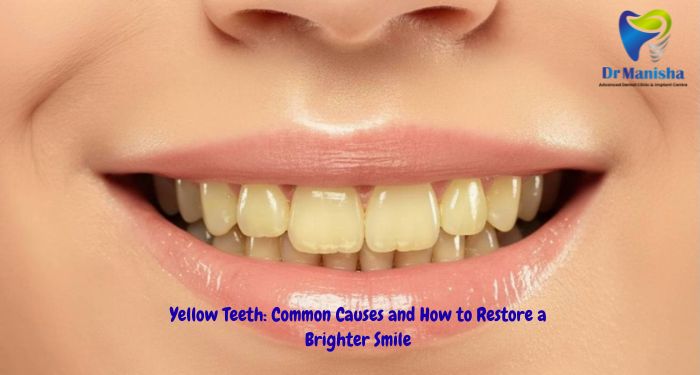
A bright, white smile is often associated with good oral health and confidence. However, many people notice that their teeth gradually become yellow over time. Yellow teeth are a common dental concern and can affect individuals of all ages. While yellowing is often harmless, it may indicate poor oral hygiene, lifestyle habits, or underlying dental issues.
Understanding the causes of yellow teeth is the first step toward achieving a healthier and more attractive smile. If you are concerned about tooth discoloration, consulting an experienced Dentist in Chinchwad can help identify the cause and recommend the most suitable treatment.
Why Do Teeth Become Yellow?
Teeth are naturally covered by a hard outer layer called enamel. Beneath the enamel lies a yellowish layer known as dentin. When enamel becomes thinner or stained, the yellow color of dentin becomes more visible.
Various factors can contribute to tooth discoloration, ranging from daily habits to medical conditions.
Common Causes of Yellow Teeth
1. Poor Oral Hygiene
One of the most common causes of yellow teeth is inadequate oral hygiene.
When brushing and flossing are neglected, plaque and tartar accumulate on the teeth. This buildup can cause discoloration and make teeth appear yellow or brown.
Regular brushing, flossing, and professional dental cleanings help maintain a clean and bright smile.
2. Consumption of Staining Foods and Beverages
Certain foods and drinks contain pigments that can stain tooth enamel over time.
Common culprits include:
- Tea
- Coffee
- Red wine
- Cola drinks
- Dark-colored berries
- Tomato-based sauces
Frequent consumption of these items without proper oral care can gradually lead to yellow teeth.
3. Smoking and Tobacco Use
Smoking is one of the leading causes of tooth discoloration.
Nicotine and tar found in cigarettes and tobacco products stick to the enamel, causing stubborn yellow and brown stains. Long-term tobacco use can also increase the risk of gum disease and oral cancer.
Quitting tobacco not only improves oral health but also helps maintain a brighter smile.
4. Aging
As people age, the enamel naturally wears down.
When enamel becomes thinner, the yellow dentin underneath becomes more visible. This process is a normal part of aging and contributes to gradual tooth discoloration.
Professional whitening treatments can often improve the appearance of age-related yellowing.
5. Certain Medications
Some medications may contribute to tooth discoloration.
Examples include:
- Certain antibiotics
- Antihistamines
- High blood pressure medications
- Chemotherapy drugs
Children who take specific antibiotics while their teeth are developing may also experience discoloration later in life.
6. Excess Fluoride Exposure
While fluoride helps prevent tooth decay, excessive fluoride exposure during childhood can cause a condition known as fluorosis.
Fluorosis may result in white spots, yellow patches, or brown discoloration on the teeth.
Proper use of fluoride-containing products can help prevent this condition.
7. Dry Mouth
Saliva plays an important role in protecting teeth from stains and harmful bacteria.
A lack of saliva production can lead to plaque buildup and increased discoloration.
Dry mouth may occur due to:
- Certain medications
- Medical conditions
- Dehydration
- Radiation therapy
Managing dry mouth can help maintain better oral health.
8. Genetics
Some individuals naturally have thicker or whiter enamel than others.
Genetic factors can influence the natural color and appearance of teeth, making some people more prone to yellowing despite good oral hygiene.
9. Dental Trauma
An injury to a tooth can cause internal discoloration.
Trauma may affect the tooth’s nerve and blood supply, causing it to appear yellow, gray, or dark over time.
Prompt dental evaluation is essential after any dental injury.
How Yellow Teeth Affect Oral Health
Yellow teeth do not always indicate a serious dental problem. However, in some cases, discoloration may be associated with:
- Plaque accumulation
- Tooth decay
- Gum disease
- Enamel erosion
Ignoring these issues can lead to more significant oral health complications. Visiting a Dentist in Chinchwad for regular checkups can help detect problems early.
How to Prevent Yellow Teeth
Maintaining good oral hygiene and healthy habits can significantly reduce the risk of tooth discoloration.
Brush Properly
Brush your teeth twice daily using fluoride toothpaste.
Floss Every Day
Flossing removes plaque and food particles from areas that brushing cannot reach.
Limit Staining Foods and Drinks
Reduce consumption of coffee, tea, and other highly pigmented beverages.
Drink Water After Meals
Rinsing your mouth with water helps wash away staining substances.
Avoid Tobacco Products
Quitting smoking is one of the most effective ways to prevent tooth discoloration.
Schedule Regular Dental Cleanings
Professional cleanings remove plaque and tartar that cannot be eliminated by brushing alone.
Treatment Options for Yellow Teeth
Several dental treatments can help restore the natural brightness of your smile.
Professional Dental Cleaning
Dental cleaning removes plaque, tartar, and surface stains, improving the appearance of teeth.
Teeth Whitening
Professional whitening treatments use safe bleaching agents to lighten tooth color effectively.
Dental Veneers
Porcelain veneers are thin shells placed over the front surface of teeth to improve appearance.
Dental Bonding
Tooth-colored resin can be applied to cover stains and enhance the smile.
Crowns
For severely discolored or damaged teeth, dental crowns may provide an effective solution.
An experienced Dentist in Chinchwad can recommend the most suitable treatment based on the cause and severity of discoloration.
When Should You Visit a Dentist?
You should schedule a dental consultation if:
- Tooth discoloration develops suddenly
- Home care measures do not improve the appearance of teeth
- Yellowing is accompanied by pain or sensitivity
- You notice signs of decay or gum disease
- You are interested in cosmetic dental treatments
Early intervention can help preserve both the appearance and health of your teeth.
Conclusion
Yellow teeth are a common concern that can result from poor oral hygiene, dietary habits, smoking, aging, medications, and other factors. While tooth discoloration is often cosmetic, it can sometimes indicate underlying dental issues that require attention.
The good news is that many cases of yellow teeth can be prevented or treated successfully through proper oral care and professional dental treatments. If you are looking to improve your smile and maintain excellent oral health, consulting a trusted Dentist in Chinchwad can help you achieve long-lasting results and renewed confidence.
FAQs
1. What is the most common cause of yellow teeth?
Poor oral hygiene, plaque buildup, and consumption of staining foods and beverages are among the most common causes.
2. Can yellow teeth become white again?
Yes. Professional dental cleaning and teeth whitening treatments can significantly improve tooth color.
3. Does smoking cause yellow teeth?
Yes. Tobacco products contain substances that stain the enamel and lead to yellow or brown discoloration.
4. Are yellow teeth unhealthy?
Not always. However, yellow teeth can sometimes indicate plaque buildup, enamel erosion, or dental disease.
5. How often should I get my teeth cleaned?
Most dentists recommend professional cleaning every six months.
6. Can brushing remove yellow stains?
Brushing helps remove surface stains, but deeper discoloration may require professional treatment.
7. Is teeth whitening safe?
When performed by a qualified dental professional, teeth whitening is generally safe and effective.
8. When should I visit a Dentist in Chinchwad for yellow teeth?
You should consult a dentist if discoloration persists, worsens, or affects your confidence and oral health.