
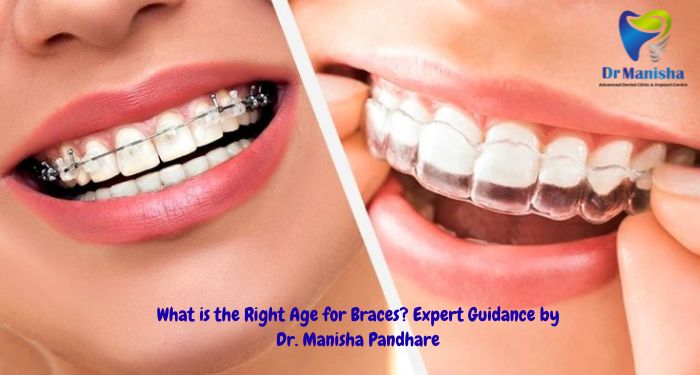
A healthy and confident smile plays an important role in overall personality and oral health. Crooked teeth, spacing issues, or jaw alignment problems can affect both appearance and dental function. Braces are one of the most effective treatments for correcting teeth alignment and improving smiles.
One of the most common questions parents ask is, “What is the right age for braces?” The answer depends on several factors, including dental development, jaw growth, and the severity of alignment issues.
According to dental experts, early orthodontic evaluation can help detect problems before they become severe. With proper guidance from the best dentist Dr. Manisha Pandhare, children and adults can achieve healthier and more confident smiles.
What are Braces?
Braces are dental devices used to straighten teeth, correct bite problems, and improve jaw alignment. They apply gentle pressure over time to move teeth into the correct position.
Braces can help treat:
- Crooked teeth
- Gaps between teeth
- Overbite
- Underbite
- Crossbite
- Crowded teeth
- Jaw alignment problems
Orthodontic treatment improves both oral health and appearance.
What is the Ideal Age for Braces?
The ideal age for braces is generally between 10 and 14 years. During this stage, most permanent teeth have erupted, and the jaw is still growing. This allows teeth to move more effectively during orthodontic treatment.
However, every child is different, and the right age may vary depending on individual dental development.
Why is Early Orthodontic Evaluation Important?
Dentists often recommend an orthodontic checkup around the age of 7 years. At this age, early signs of dental alignment problems can be identified.
Early evaluation helps detect:
- Improper jaw growth
- Crowded teeth
- Bite issues
- Thumb-sucking effects
- Speech-related dental problems
Identifying these issues early may reduce the need for complex treatment later.
Signs Your Child May Need Braces
Parents should watch for certain signs that may indicate the need for orthodontic treatment.
Crooked or Crowded Teeth
Teeth that overlap or grow unevenly may require braces for proper alignment.
Difficulty Biting or Chewing
Improper bite alignment can affect chewing comfort and speech.
Mouth Breathing
Constant mouth breathing may influence jaw and facial development.
Early or Late Loss of Baby Teeth
Abnormal timing of baby tooth loss can affect permanent teeth positioning.
Jaw Clicking or Shifting
Jaw movement problems may indicate bite misalignment.
Thumb Sucking
Long-term thumb sucking can change jaw structure and teeth alignment.
Can Adults Get Braces?
Yes, braces are not limited to children or teenagers. Adults can also benefit from orthodontic treatment. Modern dental technology offers several comfortable and aesthetic options for adults seeking smile correction.
Adult braces can help improve:
- Teeth alignment
- Oral hygiene
- Bite function
- Smile appearance
- Confidence
Many adults now choose invisible aligners or ceramic braces for a more discreet look.
Types of Braces Available
Metal Braces
Traditional metal braces are highly effective and commonly used for various alignment problems.
Ceramic Braces
Ceramic braces blend with tooth color, making them less visible.
Lingual Braces
These braces are attached behind the teeth, making them hidden from view.
Invisible Aligners
Clear aligners are removable and nearly invisible, making them popular among adults and teenagers.
Benefits of Braces Treatment
Braces provide several long-term oral health benefits.
Improved Smile Appearance
Straight teeth create a more attractive and confident smile.
Better Oral Hygiene
Aligned teeth are easier to clean, reducing the risk of cavities and gum disease.
Correct Bite Alignment
Proper bite alignment improves chewing and speech function.
Reduced Jaw Strain
Correcting bite issues can reduce pressure on jaw joints.
Increased Confidence
Many individuals feel more confident after smile correction.
How Long Does Braces Treatment Take?
The duration of treatment varies depending on the severity of the problem and the type of braces used.
Most treatments usually take between 12 months and 24 months. Some complex cases may require longer treatment.
Regular dental visits and proper care help achieve better results.
Tips for Caring for Braces
Maintaining oral hygiene during braces treatment is extremely important.
Brush Properly
Use a soft toothbrush and clean around brackets carefully.
Avoid Sticky Foods
Hard and sticky foods may damage braces.
Attend Regular Checkups
Follow-up visits help monitor treatment progress.
Wear Retainers After Treatment
Retainers help maintain teeth alignment after braces removal.
Psychological Benefits of Early Treatment
Many children and teenagers feel self-conscious about crooked teeth. Braces not only improve dental health but also support emotional well-being and confidence.
Early smile correction may positively affect social interactions and self-esteem.
Why Timing Matters in Orthodontics
Treating dental problems at the right age allows dentists to guide jaw growth and prevent severe alignment complications. Delaying treatment may sometimes increase treatment complexity and duration.
An experienced dentist can determine the best timing based on dental examination and X-rays.
Expert Orthodontic Guidance with Dr. Manisha Pandhare
Dr. Manisha Pandhare provides comprehensive dental care and orthodontic evaluation for children, teenagers, and adults. With personalized treatment planning and modern dental solutions, patients receive effective smile correction and long-term oral health support.
Conclusion
The right age for braces depends on individual dental growth and alignment needs. Early orthodontic evaluation can help identify issues before they become severe and improve treatment outcomes. While braces are commonly recommended during adolescence, adults can also successfully undergo orthodontic treatment.
Healthy teeth alignment not only improves appearance but also supports better oral health and confidence. Consulting an experienced dentist at the right time can help achieve a beautiful and healthy smile.
FAQs
1. What is the best age for braces?
The ideal age for braces is usually between 10 and 14 years when permanent teeth have developed.
2. Can adults wear braces?
Yes, adults can also undergo braces treatment successfully.
3. Are braces painful?
Some mild discomfort may occur initially, but it usually improves within a few days.
4. How long does braces treatment take?
Treatment commonly lasts between 1 to 2 years depending on the condition.
5. Are invisible braces effective?
Yes, clear aligners are effective for many mild to moderate alignment problems.
6. Why should children get early orthodontic evaluation?
Early evaluation helps detect dental problems before they become more complicated.
Book your dental consultation with Dr. Manisha Pandhare for expert braces treatment, smile correction, and personalized orthodontic care for children and adults.