
Have you ever experienced a hard, rough, or cement-like feeling on your teeth? Does your tongue feel something unusual when it touches the surface of your teeth? This sensation may be related to hardened plaque, tartar buildup, dental fillings, or other dental conditions.
Many people ignore these changes until they develop tooth sensitivity, gum irritation, or discomfort while chewing. Understanding the possible causes can help you take timely action and maintain good oral health.
What Causes a Cement-Like Feeling on Teeth?
A cement-like sensation in the teeth can develop due to several dental conditions. Some common causes include:
1. Tartar or Hardened Plaque Buildup
Plaque is a sticky layer of bacteria that forms on teeth. When it is not removed through regular brushing and flossing, it can harden into tartar (calculus). Tartar often feels rough, hard, and sometimes like cement on the tooth surface. Professional dental cleaning is required to remove it.
2. Dental Filling Material
After a dental filling, some patients may notice a slightly rough or unusual sensation. This can happen if the filling material is not perfectly smooth or if the bite needs adjustment. A dentist can examine and polish the filling when necessary.
3. Dental Crown or Capping
Dental crowns are used to protect damaged or weakened teeth. Sometimes, a newly placed crown may feel bulky, rough, or different from natural teeth. If the sensation continues, a dentist should check its fit and bite alignment.
4. Food and Mineral Deposits
Certain deposits can accumulate around the teeth, particularly near the gumline. These deposits may create a hard or rough sensation that does not disappear with normal brushing.
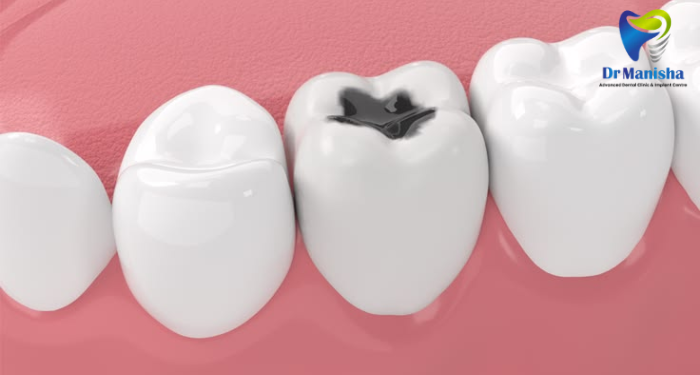
5. Tooth Decay or Damaged Enamel
Tooth decay and enamel damage can change the natural texture of teeth. You may notice roughness, sensitivity, or discomfort while eating and drinking.
Common Symptoms You Should Not Ignore
Along with a cement-like feeling, you may experience:
- Rough or hard deposits on the teeth.
- Yellowish or brownish buildup near the gums.
- Bleeding while brushing.
- Swollen or irritated gums.
- Bad breath.
- Tooth sensitivity to hot and cold foods.
- Discomfort while chewing.
If these symptoms continue, consider visiting a dental professional for an examination.
How Can This Dental Problem Be Treated?
Treatment depends on the underlying cause of the cement-like sensation.
1. Professional Dental Scaling: If hardened tartar is responsible, scaling helps remove deposits from the tooth surfaces and around the gumline.
2. Polishing: Dental polishing smoothens tooth surfaces after cleaning and helps remove certain surface stains.
3. Filling Adjustment: If a dental filling feels rough or affects your bite, the dentist may smooth or adjust it.
4. Crown Adjustment: If a dental crown feels uncomfortable or too high, the dentist can evaluate its fit and make necessary corrections.
5. Treatment for Tooth Decay: If cavities or enamel damage are responsible, appropriate restorative treatment may be required.
Avoid scraping hard deposits with sharp objects at home, as this can damage your teeth and gums.
How to Prevent Hard Deposits on Teeth
Maintaining a proper oral hygiene routine can help reduce plaque and tartar formation.
- Brush twice daily using a fluoride toothpaste.
- Floss regularly to clean between your teeth.
- Use a soft-bristled toothbrush.
- Limit sugary foods and beverages.
- Drink enough water throughout the day.
- Visit your dentist regularly for dental check-ups.
- Get professional cleaning when recommended.
When Should You Visit a Dentist?
If your teeth continuously feel rough, hard, or cement-like, do not ignore the sensation. It is important to identify whether the cause is tartar buildup, a filling issue, a crown problem, or another dental condition.
A dental examination can help identify the exact reason and determine the appropriate treatment. Early attention can prevent minor dental concerns from developing into more complicated problems.
FAQs
1. Why do my teeth feel like cement?
A hard or cement-like feeling may be caused by hardened plaque, tartar buildup, dental fillings, or crowns. A dental examination can identify the exact cause.
2. Can tartar make teeth feel rough and hard?
Yes. Tartar is hardened plaque that sticks to tooth surfaces and can create a rough, hard sensation.
3. Can I remove hardened tartar at home?
No. Brushing and flossing help control plaque, but hardened tartar requires professional removal by a dentist.
4. Is a rough feeling after dental filling normal?
A slight difference in texture may occur after a filling. However, persistent roughness or discomfort while biting should be checked by your dentist.
5. How often should I get professional dental cleaning?
The frequency depends on your oral health and tartar buildup. Your dentist can recommend an appropriate cleaning schedule.
6. Can cement-like deposits cause gum problems?
Yes. Tartar buildup near the gumline can contribute to gum inflammation, bleeding, and periodontal disease if left untreated.
Conclusion
A cement-like feeling on your teeth may indicate tartar buildup, an issue with dental fillings or crowns, or another dental concern. Maintaining good oral hygiene and getting regular dental check-ups are important for healthy teeth and gums. If you notice persistent roughness or discomfort, consult a dentist for proper diagnosis and treatment.