
Introduction
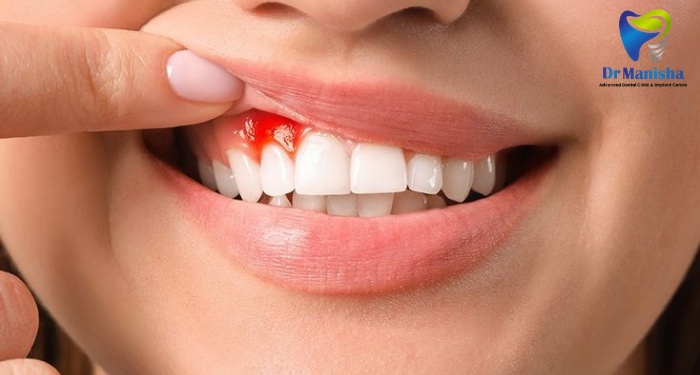
Bleeding gums are a common oral health concern that should not be ignored. You may notice blood while brushing your teeth, flossing, or eating hard foods. Although occasional bleeding can occur due to irritation, frequent bleeding may indicate gum inflammation or an underlying dental problem. Understanding the symptoms and causes of bleeding gums can help you take the right steps to protect your oral health. Consulting a dentist at the right time can prevent minor gum problems from becoming more serious.
What Are the Common Symptoms of Bleeding Gums?
Bleeding gums may occur alongside other changes in your mouth. Recognizing these symptoms early can help you understand when dental evaluation is necessary.
Common symptoms include:
- Bleeding while brushing or flossing.
- Red, swollen, or tender gums.
- Persistent bad breath.
- Gum sensitivity or discomfort.
- Gums that appear to be pulling away from the teeth.
- Pus around the gums in more advanced cases of infection.
- Loose teeth or changes in the way your teeth fit together.
If you experience persistent bleeding, gum swelling, or any of these symptoms, consult a dentist for an appropriate examination.
What Are the Main Causes of Bleeding Gums?
1. Plaque and Tartar Buildup
Plaque is a sticky layer of bacteria that forms on teeth every day. If it is not removed through proper brushing and flossing, it can harden into tartar. The buildup irritates the gums and may lead to gingivitis, an early stage of gum disease.
2. Gingivitis
Gingivitis is inflammation of the gums, commonly caused by plaque accumulation. The gums may become red, swollen, and prone to bleeding during brushing. With proper oral hygiene and professional dental cleaning, gingivitis can often be reversed.
3. Brushing Too Hard
Using excessive pressure or a hard-bristled toothbrush can irritate gum tissue and cause bleeding. Choose a soft-bristled toothbrush and use gentle, circular movements to clean your teeth without damaging your gums.
4. Poor Oral Hygiene
Skipping brushing, not cleaning between teeth, and irregular dental checkups can allow plaque to accumulate. Maintaining a consistent oral hygiene routine helps reduce the risk of gum inflammation and bleeding.
5. Periodontitis
When gingivitis is left untreated, it may progress to periodontitis, a more serious form of gum disease. This condition can damage the tissues and bone supporting the teeth. Persistent bleeding, gum recession, and loose teeth require professional dental assessment.
6. Nutritional Deficiencies and Other Health Conditions
Deficiencies in certain nutrients, including vitamin C and vitamin K, may contribute to bleeding problems. Diabetes, hormonal changes, and some blood disorders can also affect gum health. Certain medications, including blood thinners, may increase bleeding. Do not stop prescribed medication without consulting your doctor.
How Can You Prevent Bleeding Gums?
Following a daily oral care routine can help maintain healthy gums.
- Brush twice daily with fluoride toothpaste and a soft-bristled toothbrush.
- Clean between your teeth every day using dental floss or suitable interdental cleaners.
- Avoid smoking and tobacco products.
- Limit sugary foods and maintain a balanced diet.
- Drink enough water throughout the day.
- Visit your dentist regularly for examinations and professional cleaning when recommended.
- Do not ignore recurring gum bleeding or persistent bad breath.
When Should You Visit a Dentist?
If your gums bleed frequently, remain swollen, or feel painful, arrange a dental appointment. A dentist can examine your gums, identify plaque or tartar buildup, assess signs of gum disease, and recommend suitable treatment.
Depending on the cause, treatment may include professional scaling, improved oral hygiene practices, periodontal treatment, or further medical evaluation. If bleeding is heavy, persistent, unexplained, or accompanied by other unusual bleeding, seek prompt medical advice.
Conclusion
Bleeding gums are not something you should consider normal, especially when they occur repeatedly. Common causes include plaque buildup, gingivitis, brushing too hard, and advanced gum disease. Identifying the underlying cause is essential for appropriate treatment.
By maintaining good oral hygiene and visiting a dentist when symptoms appear, you can protect your gums and teeth and reduce the risk of future dental complications.
Healthy gums are an important part of a healthy smile. Do not ignore the warning signs—take care of your gums today.