
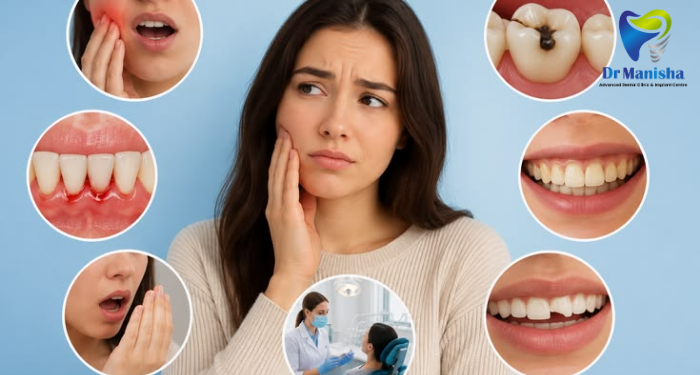
Understanding Common Dental Issues
Good oral health is an important part of overall well-being. Healthy teeth and gums make it easier to eat, speak and maintain confidence in everyday life. However, dental problems can develop when oral hygiene is neglected or when certain lifestyle and dietary habits affect the teeth and gums.
Some dental concerns may begin with mild symptoms and gradually become more noticeable. Regular brushing, flossing, a balanced diet and routine dental checkups can help maintain good oral health.
Understanding common dental issues can also help you recognise symptoms early and seek professional dental advice when needed.
1. Tooth Cavities
Cavities are one of the most common dental problems. They develop when bacteria in the mouth interact with sugars and starches from food, producing acids that gradually damage the tooth surface.
In the early stages, cavities may not cause noticeable symptoms. As the problem progresses, you may experience sensitivity, discomfort while eating or visible changes in the tooth.
To reduce the risk of cavities:
❯❯ Brush your teeth twice a day with fluoride toothpaste.
❯❯ Clean between your teeth regularly.
❯❯ Limit frequent consumption of sugary foods and drinks.
❯❯ Visit your dentist for regular examinations.
Early detection can allow the dentist to manage the affected tooth before the problem becomes more extensive.
2. Gum Problems
Gum problems can develop because of plaque buildup around the teeth. Early gum inflammation is commonly known as gingivitis.
Signs may include red or swollen gums, bleeding while brushing and tenderness around the gumline.
If gum problems are left untreated, they may progress to more advanced periodontal conditions that can affect the tissues supporting the teeth.
Maintaining proper brushing and interdental cleaning is important for keeping the gums healthy. Professional dental cleaning may also be recommended when plaque or hardened deposits have accumulated.
3. Tooth Sensitivity
Tooth sensitivity can cause a sharp or uncomfortable sensation when consuming hot, cold, sweet or acidic foods and drinks. Some people may also notice sensitivity while brushing.
Possible contributing factors include enamel wear, gum recession, cavities, cracks or other dental concerns.
Sensitivity should not always be considered a normal condition. If it continues or becomes frequent, a dental examination can help determine the underlying cause.
4. Toothache
Toothache can occur for different reasons, including cavities, gum problems, dental infections, cracks or trauma.
The intensity of discomfort can vary. Sometimes the symptoms are temporary, while in other cases they may become persistent.
Instead of repeatedly relying on temporary measures, it is better to have the tooth examined by a dentist. Identifying the cause is important for deciding the appropriate treatment.
5. Bad Breath
Bad breath, also called halitosis, can be caused by several factors. Poor oral hygiene, food particles, gum problems, dry mouth and certain lifestyle habits can contribute to unpleasant breath.
Cleaning the tongue, brushing twice daily, flossing and drinking adequate water can support fresher breath.
If bad breath continues despite good oral hygiene, it is worth discussing the problem with a dentist because it may sometimes be associated with an underlying dental or oral health issue.
6. Plaque and Tartar
Plaque is a sticky layer of bacteria that develops naturally on the teeth. Regular brushing and cleaning between the teeth can help remove it.
When plaque is not adequately removed, it can harden into tartar or calculus. Tartar cannot be effectively removed through normal brushing alone and may require professional dental cleaning.
Regular cleaning can help reduce plaque and tartar buildup and support healthier gums.
7. Tooth Discoloration
Teeth can become discoloured due to various reasons. Tea, coffee, tobacco, certain foods, ageing and some medications can contribute to changes in tooth colour.
Not all discoloration is the same. Some stains are on the outer surface, while others may be related to changes within the tooth.
A dentist can assess the type of discoloration and suggest suitable options depending on the cause.
Professional cleaning can help with certain surface stains, while cosmetic dental treatments may be considered for other types of discoloration.
8. Cracked or Chipped Teeth
Teeth can sometimes crack or chip due to accidents, biting hard objects, teeth grinding or other causes.
A small chip may not always cause symptoms, but larger cracks can lead to sensitivity or discomfort. A damaged tooth should be examined by a dentist to determine whether it requires restoration or other treatment.
Avoid using teeth to open packages or bite hard non-food objects, as these habits can increase the risk of dental damage.
9. Wisdom Tooth Problems
Wisdom teeth are the last molars to develop, usually during late adolescence or early adulthood. In some people, they grow normally without causing problems. In others, there may not be enough space for them to emerge properly.
This can lead to gum discomfort, food accumulation, difficulty cleaning the area or inflammation around the tooth.
A dental examination and appropriate imaging can help determine the position of wisdom teeth and whether any treatment is required.
10. Mouth Ulcers
Mouth ulcers are small sores that can develop inside the mouth. They may occur on the tongue, cheeks, lips or gums.
Minor ulcers often heal on their own within a short period. However, ulcers that are unusually large, frequently recurring, very uncomfortable or slow to heal should be evaluated by a dental or medical professional.
Avoiding known triggers and maintaining good oral hygiene may help support oral health.
Why Regular Dental Checkups Matter
Many dental problems can develop without obvious symptoms in the early stages. Regular dental examinations give the dentist an opportunity to identify concerns before they become more complicated.
During a routine dental visit, the dentist may examine the teeth, gums and other areas of the mouth. Professional cleaning may be recommended depending on plaque and tartar buildup.
Regular visits can also provide an opportunity to discuss brushing techniques, flossing, dietary habits and other oral health concerns.
Simple Tips for Better Oral Health
Maintaining healthy teeth does not have to be complicated. A consistent daily routine can make a significant difference.
❯❯ Brush twice a day using fluoride toothpaste.
❯❯ Clean between your teeth using floss or an appropriate interdental cleaning method.
❯❯ Clean your tongue regularly.
❯❯ Drink enough water throughout the day.
❯❯ Reduce frequent sugary snacks and drinks.
❯❯ Avoid tobacco products.
❯❯ Do not use your teeth to open bottles or packages.
❯❯ Replace your toothbrush when the bristles become worn.
❯❯ Schedule regular dental checkups.
When Should You Visit a Dentist?
You should consider visiting a dentist if you experience persistent tooth discomfort, bleeding gums, swelling, sensitivity, bad breath, loose teeth, broken teeth or changes inside the mouth that do not improve.
It is also advisable to schedule regular dental checkups even when you do not have obvious symptoms. Preventive care can help maintain oral health and identify problems at an earlier stage.
Frequently Asked Questions
1. What is the most common dental problem?
Tooth decay and gum problems are among the most common dental concerns. Both can often be reduced through good oral hygiene and regular dental care.
2. How often should I brush my teeth?
For most people, brushing twice a day with fluoride toothpaste is recommended.
3. Is bleeding while brushing normal?
Regular gum bleeding should not simply be ignored. It may be associated with gum inflammation or another dental concern, so a dental examination can be helpful.
4. Can cavities be prevented?
Good oral hygiene, limiting frequent sugar intake, fluoride exposure and regular dental checkups can help reduce the risk of cavities.
5. Why are my teeth sensitive?
Sensitivity may be related to enamel wear, gum recession, cavities or other dental conditions. A dentist can determine the cause and recommend appropriate care.
Conclusion
Dental issues such as cavities, gum problems, sensitivity, toothache, bad breath, discoloration and wisdom tooth concerns are common, but many can be prevented or managed with timely care.
A good oral hygiene routine combined with regular dental examinations can help keep your teeth and gums healthy. If you notice any persistent changes or symptoms, consulting a dentist is the best way to understand the cause and receive appropriate care.