
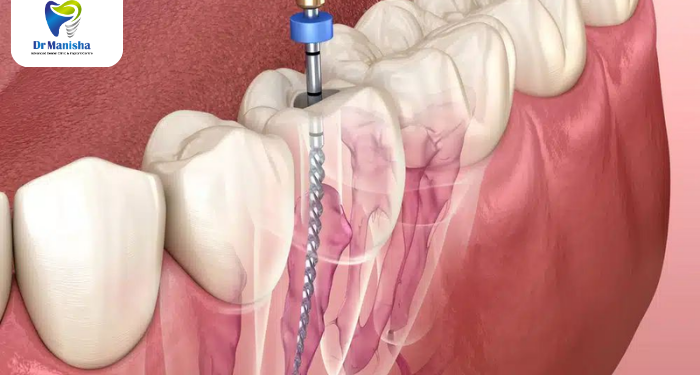
A toothache can make everyday activities such as eating, drinking, speaking, and sleeping uncomfortable. When the soft inner portion of a tooth becomes infected or inflamed, a root canal treatment may be recommended to remove the infection, relieve pain, and preserve the natural tooth.
Many people feel anxious when they hear the words “root canal.” However, with modern dental techniques, appropriate anesthesia, and careful treatment planning, root canal therapy can be performed comfortably. If you are looking for Painless Root Canal Treatment in Chinchwad, understanding the procedure and available care options can help you feel more confident about treatment.
What Is a Root Canal Treatment?
A root canal is a dental procedure used to treat infection or inflammation inside the tooth. The innermost part of the tooth contains the dental pulp, which consists of nerves and blood vessels.
Deep tooth decay, cracks, trauma, or repeated dental procedures can allow bacteria to reach the pulp. This may lead to inflammation or infection.
During root canal treatment, the infected or damaged pulp is carefully removed. The inside of the tooth is cleaned, disinfected, shaped, and sealed. The tooth can then be restored to improve its function and appearance.
The main goal is to save the natural tooth instead of removing it.
Why Is Root Canal Treatment Needed?
A root canal may be recommended when the dental pulp has become irreversibly inflamed or infected.
Common causes include:
- Deep tooth decay
- Cracked or fractured teeth
- Dental trauma
- Repeated dental procedures
- Large or defective fillings
- Untreated cavities
- Bacterial infection inside the tooth
If the infection is not treated, it may spread beyond the tooth and cause an abscess or swelling.
Common Symptoms That May Indicate a Root Canal
Not every tooth requiring root canal treatment causes severe pain. Some teeth may have an infection without obvious symptoms.
Possible warning signs include:
- Persistent toothache
- Sensitivity to hot or cold
- Pain while biting or chewing
- Throbbing pain
- Swelling around the tooth
- Tender or swollen gums
- Darkening or discoloration of the tooth
- Pus or a recurring gum boil
- Pain that continues after consuming hot or cold foods
If these symptoms occur, a dental examination is important.
Is Root Canal Treatment Really Painless?
The term Painless Root Canal Treatment in Chinchwad generally refers to modern techniques designed to make the procedure as comfortable as possible.
Local anesthesia is used to numb the tooth and surrounding area before treatment. This helps minimize discomfort during the procedure.
Modern dental equipment, careful anesthesia techniques, appropriate treatment planning, and gentle handling can make root canal treatment much more comfortable than many patients expect.
You may experience some pressure or vibration during certain stages of the procedure, but you should inform your dentist if you feel discomfort so additional anesthesia or other measures can be considered.
Steps Involved in Root Canal Treatment
1. Dental Examination
The dentist first examines the affected tooth and discusses your symptoms. An X-ray may be recommended to understand the root structure and determine the extent of infection.
2. Local Anesthesia
The area around the tooth is numbed using local anesthesia. This is an important step in providing comfortable treatment.
3. Accessing the Tooth
A small opening is created in the tooth to access the infected or inflamed pulp.
4. Removing the Infected Pulp
The damaged pulp tissue is carefully removed from the tooth’s internal canals.
5. Cleaning and Disinfection
The root canals are cleaned and shaped to remove bacteria, infected tissue, and debris.
6. Sealing the Canals
Once the canals are properly cleaned and prepared, they are filled and sealed to help prevent further bacterial contamination.
7. Restoring the Tooth
After root canal treatment, the tooth usually requires a suitable restoration. Depending on the tooth and the amount of remaining structure, a filling or dental crown may be recommended.
Why Save the Natural Tooth?
Whenever possible, preserving the natural tooth has several advantages.
A natural tooth helps maintain normal chewing function and can help maintain the natural alignment of surrounding teeth. Removing a tooth may create a gap, which can later require replacement with an implant, bridge, or another dental prosthesis.
Root canal treatment allows the natural tooth to remain in place while addressing the infection inside it.
Root Canal Treatment vs. Tooth Extraction
Patients sometimes wonder whether extraction is easier than root canal treatment.
Extraction removes the problematic tooth, but it does not necessarily eliminate the need for future dental treatment. If the missing tooth is not replaced, neighboring teeth may shift and chewing function can be affected.
Root canal treatment focuses on saving the natural tooth when it is structurally and clinically suitable for preservation.
Your dentist can assess the tooth and explain whether root canal treatment or extraction is the more appropriate option.
What Happens After Root Canal Treatment?
It is normal for the treated area to feel slightly sensitive or tender for a short period. This can generally be managed according to your dentist’s recommendations.
Avoid chewing very hard foods on the treated tooth until the final restoration has been completed if your dentist advises you to do so.
Maintaining good oral hygiene remains important. Brush twice daily, clean between the teeth, and attend regular dental check-ups.
Why Is a Crown Sometimes Recommended?
A tooth that has undergone root canal treatment may have lost significant tooth structure because of decay, cracks, or the treatment itself.
For many back teeth, a dental crown may be recommended to provide additional protection against fracture. Whether a crown is necessary depends on the tooth’s location, remaining structure, and individual circumstances.
Your dentist can recommend the appropriate restoration after evaluating the treated tooth.
How Can You Prepare for a Comfortable Root Canal?
If you are anxious about dental treatment, communicate your concerns before the procedure. Your dentist can explain each step and discuss ways to improve your comfort.
Helpful measures include:
- Eat according to your dentist’s instructions before the appointment.
- Inform your dentist about existing medical conditions and medications.
- Avoid delaying treatment when symptoms appear.
- Ask questions if you are unsure about any part of the procedure.
- Follow post-treatment instructions carefully.
Early treatment may also prevent the infection from becoming more complicated.
Choosing a Dental Clinic in Chinchwad
When searching for Painless Root Canal Treatment in Chinchwad, consider a dental clinic that provides proper diagnosis, modern treatment methods, good infection-control practices, and personalized patient care.
An experienced dentist should evaluate the tooth carefully before recommending treatment. The goal should not simply be to complete a root canal but to properly diagnose the problem, preserve the tooth where possible, and restore its function.
Frequently Asked Questions
Is root canal treatment painful?
With appropriate local anesthesia and modern dental techniques, root canal treatment can usually be performed comfortably. Some mild tenderness may occur after treatment.
How long does a root canal take?
Treatment time varies depending on the tooth, number of canals, infection, and complexity. Some cases can be completed in one appointment, while others may require multiple visits.
Can a root canal save a badly infected tooth?
In many cases, root canal treatment can save a tooth with infected or inflamed pulp. The dentist must first determine whether the tooth is suitable for restoration.
Is a crown required after root canal treatment?
A crown is often recommended for teeth that need additional protection, particularly many back teeth. The decision depends on the tooth’s condition and remaining structure.
How long can a root canal-treated tooth last?
With proper restoration, good oral hygiene, and regular dental care, a root canal-treated tooth can function for many years. Longevity depends on factors such as oral hygiene, tooth condition, restoration quality, and chewing forces.
Conclusion
A root canal does not have to be an uncomfortable experience. Modern anesthesia, dental technology, careful diagnosis, and appropriate treatment techniques can make the procedure significantly more comfortable.
Painless Root Canal Treatment in Chinchwad focuses on relieving infection-related pain while preserving the natural tooth whenever possible. If you have persistent toothache, sensitivity, swelling, or pain while chewing, do not ignore the symptoms.
Timely dental evaluation can help identify the problem and determine whether root canal treatment is appropriate. With proper treatment and a suitable final restoration, a treated tooth can continue to support normal chewing and oral function for years.
If you are experiencing tooth pain or have been advised to undergo root canal treatment, consult an experienced dentist in Chinchwad for a personalized examination and treatment plan.